
Take back the street(erie)s
Streets used to be for people, not cars.

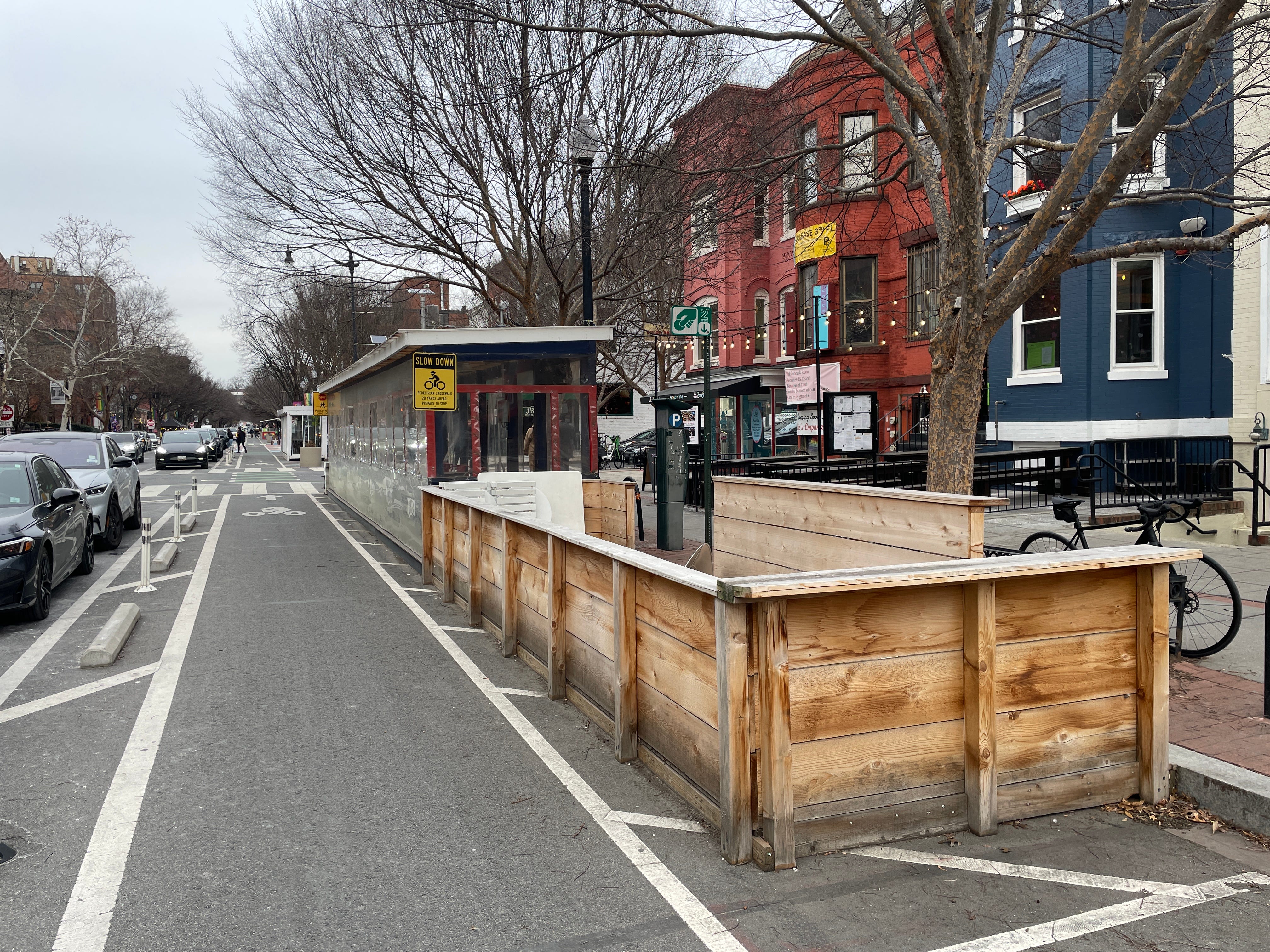
A walk up 18th Street in Northwest D.C. used to be a sight: dozens of streateries — street patios, usually owned by adjoined restaurants — framed the sidewalks, inviting people to stop by for a bite or drink or just a chat.
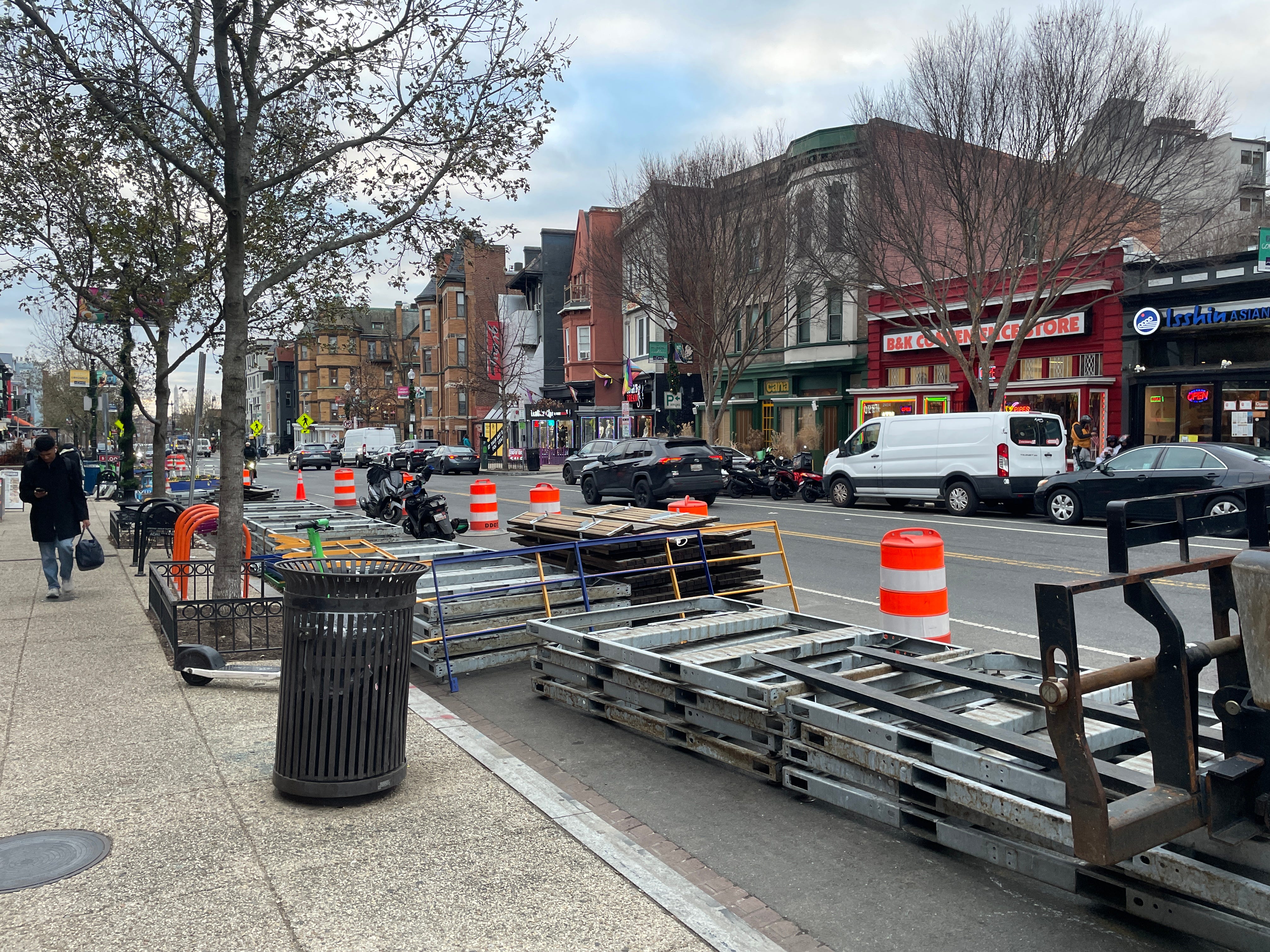
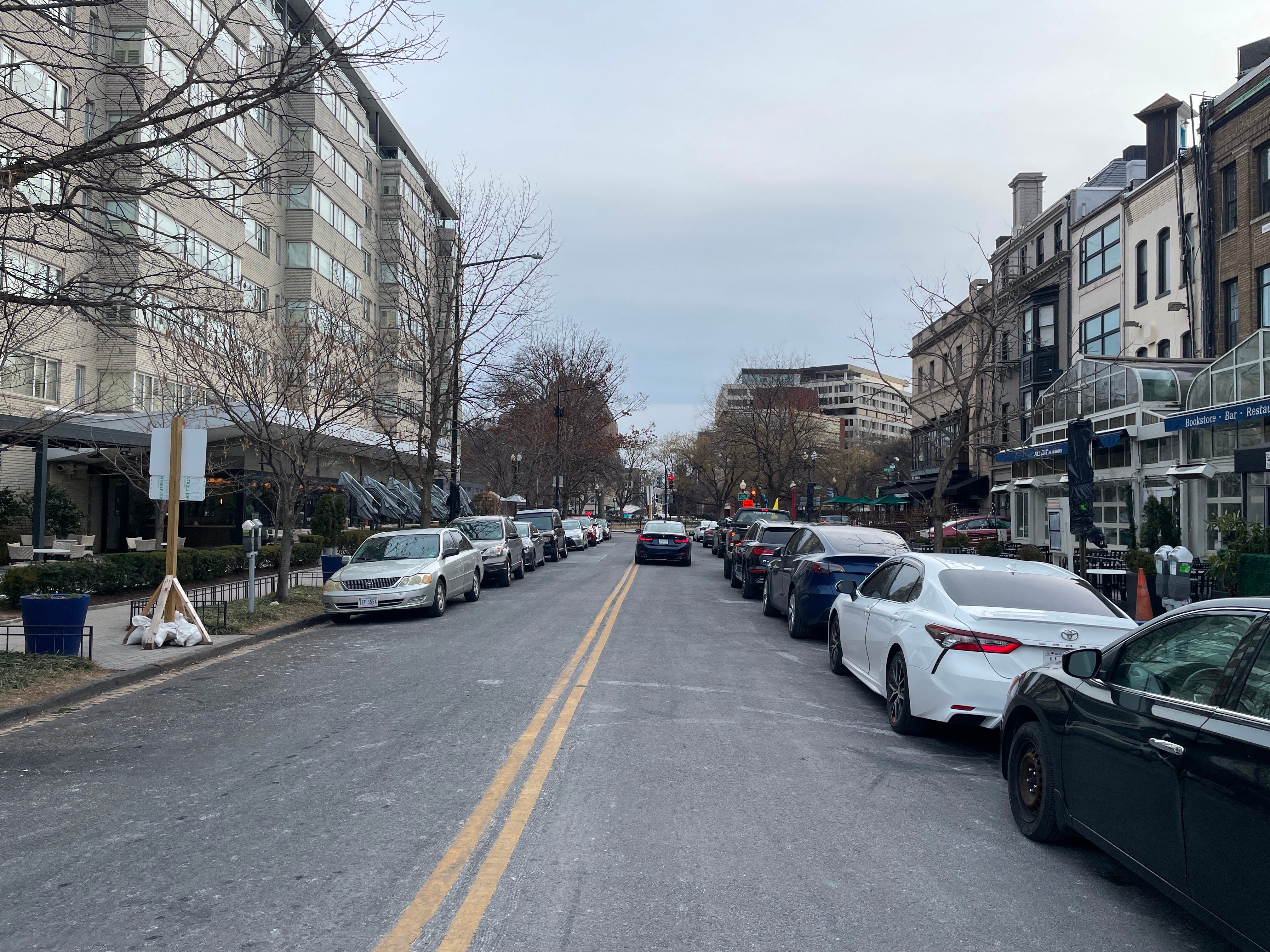
This month, though, this same walk is much bleaker: Nearly all of the streateries (also called parklets) have been torn down, replaced by parking spaces.
That’s because the local D.C. government recently launched a program that requires restaurants to pay $15 per square foot, plus fees, for each structure, while also adjusting their designs.
Rather than comply with these rules, and the additional thousands of dollars in rent, many restaurants opted to tear down their structures.
What once was a way to stay afloat for restaurants during the pandemic has now become a hindrance.
The disappearance of streateries isn’t just a loss for restaurants, though; it’s a loss for citydwellers, who have reaped the knock-on effects of streateries for the last five years — including for the climate:
Streateries slow down traffic, encouraging people to ditch their cars for biking and walking, which means less air and noise pollution.
Streateries are also often paired with plants and greenery, which have cooling effects, especially when they replace a block of asphalt that absorbs heat.
Probably most of all, though, streateries show that we can reenvision on-street space. Streateries drive foot traffic, social interactions, and connectivity. They encompass what cities, and streets, are all about — something we’ve lost touch with. As described in the book Life After Cars:
“Streets used to be for people. They were incubators for style, slang, politics, love, and simple neighborly affinity. They were places we could do things together, make things together, simply be together. Cars roll over all of that human activity and crush it.”
Perhaps the worst part of D.C.’s new policy is that it reverses something that people overwhelmingly support: namely, that streets can be so much more than storage for cars. That it took a pandemic to realize that is disappointing; that it took a D.C. law to reverse it is damning.
Of course, the local government has its reasons for tearing down these structures, number one being money. Streateries replace parking spots, which people pay for, so it’s only right that streateries pay their fair share.
But fair is the key word here, which the new policy is not.
Parking spots are historically undervalued. In D.C., for example, you can get a residential car permit for $50 a year. For the same spot, the city can now charge restaurants over $2,400. And while metered spaces draw much more money, they still don’t draw as much as diners, who pay a 10% restaurant tax.
D.C. also uses safety to justify the program — the idea being that the slipshod way these structures sprang up during the pandemic can be dangerous, blocking sightlines for cars and pedestrians alike. D.C.’s new rules require more uniform, open-air designs and eliminate enclosures above 3.5 feet.
But by that logic, parking spots that replace streateries should only be available to convertibles with their tops down (many parked cars are, in fact, 6-foot-tall SUVs and trucks).
I’m giving D.C. flack because I live here. But the city is not an anomaly: Around the country and the world, streateries are falling out of favor, as the unshakable urge for cheap parking again overpowers our thinking for something better.
There are real reasons to improve streateries. Visibility, safety, and other general measures of accountability are important. After all, diners should have a reasonable expectation that these things won’t fall on top of them. At the same time, though, policies shouldn’t be so stringent that they close half the city’s streateries.
And we must remember that the alternative to streateries is not housing or parks — it is parking, which brings no climate, cultural, or social benefits.
For the last five years, streateries have shown how public spaces can be repurposed for people, not cars. Local governments — from Barcelona to Brussels to Paris — are adjusting laws to make these structures permanent.
But for D.C., one step forward is two steps back. And in a couple months when we shake off our winter blues, we’ll be greeted not by lively corridors of outdoor dining and drinking but instead rows of unoccupied vehicles.
We deserve better.