
The killer inside us
Why we accept some transportation deaths but not others.

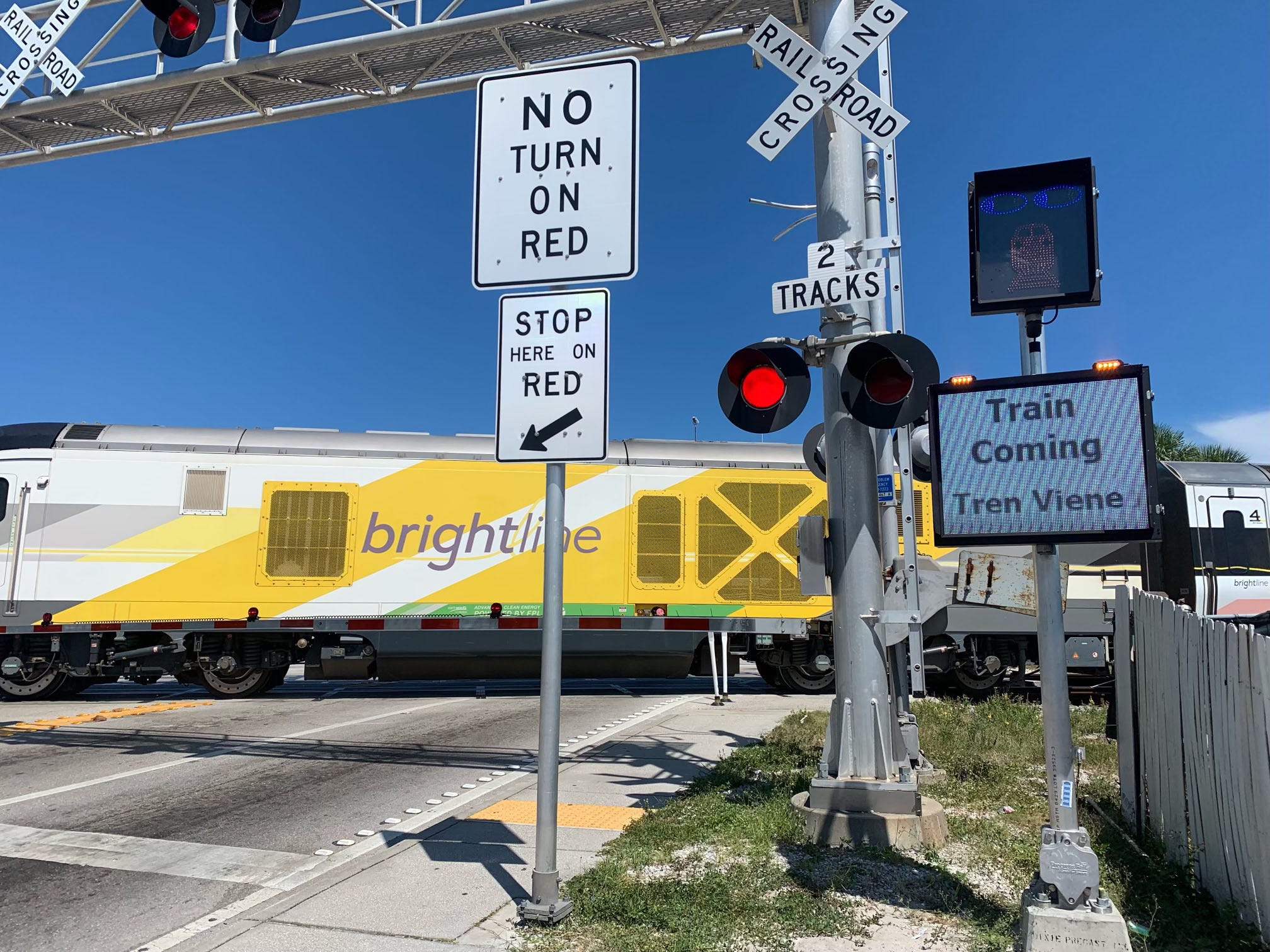
A troubling narrative plagues Florida’s private rail system, Brightline — or Frightline, as some call it.
The Miami Herald labels it a “killer train.” Local news dubs it America’s deadliest train. Entire Instagram accounts are dedicated to tracking deaths by Brightline. That’s because since its opening in 2017, Brightline trains have killed 182 people.
That local news sensationalizes death isn’t new (U.S. media disproportionately covers deaths by homicide and terrorism, despite them accounting for less than 1% of deaths). But by giving weight to these stories, the media also ignores a much larger one: the 40,000 annual deaths caused by cars — which are no less graphic but much more accepted.
Last year in Florida, vehicle crashes killed 3,184 people (908 of whom were pedestrians or cyclists). In other words, for every one person killed by Brightline in Florida, 160 people die by automobile.
So why has Brightline become a transit bogeymonster, while personal vehicles are embraced like members of the family?
The problem is partially how the media covers car crashes. When people die in car crashes, media outlets overwhelmingly deflect blame from drivers — treating crashes as unfortunate realities and isolated incidents, labelling them as “accidents,” and failing to include infrastructure design as a contributor to deaths.
With little effort to report why crashes exist, car deaths are a crime without a villain. A boring story if I ever heard one.
Brightline deaths, however, are covered much differently. In researching this post, I read a 3,000-plus word feature on Brightline deaths, which quoted in graphic detail police reports describing “total body destruction” of victims. Imagine if such an article existed about the 265 Floridians killed every month by cars!
Whereas cars and drivers skirt responsibility, Brightline is overwhelmingly assigned blame. And with blame comes anger and then action: “How can we accept this killer train in our community? We must do something!”
Yet this same reaction is never directed at the state’s department of transportation, whose road standards and designs contribute to thousands of grisly deaths every year.
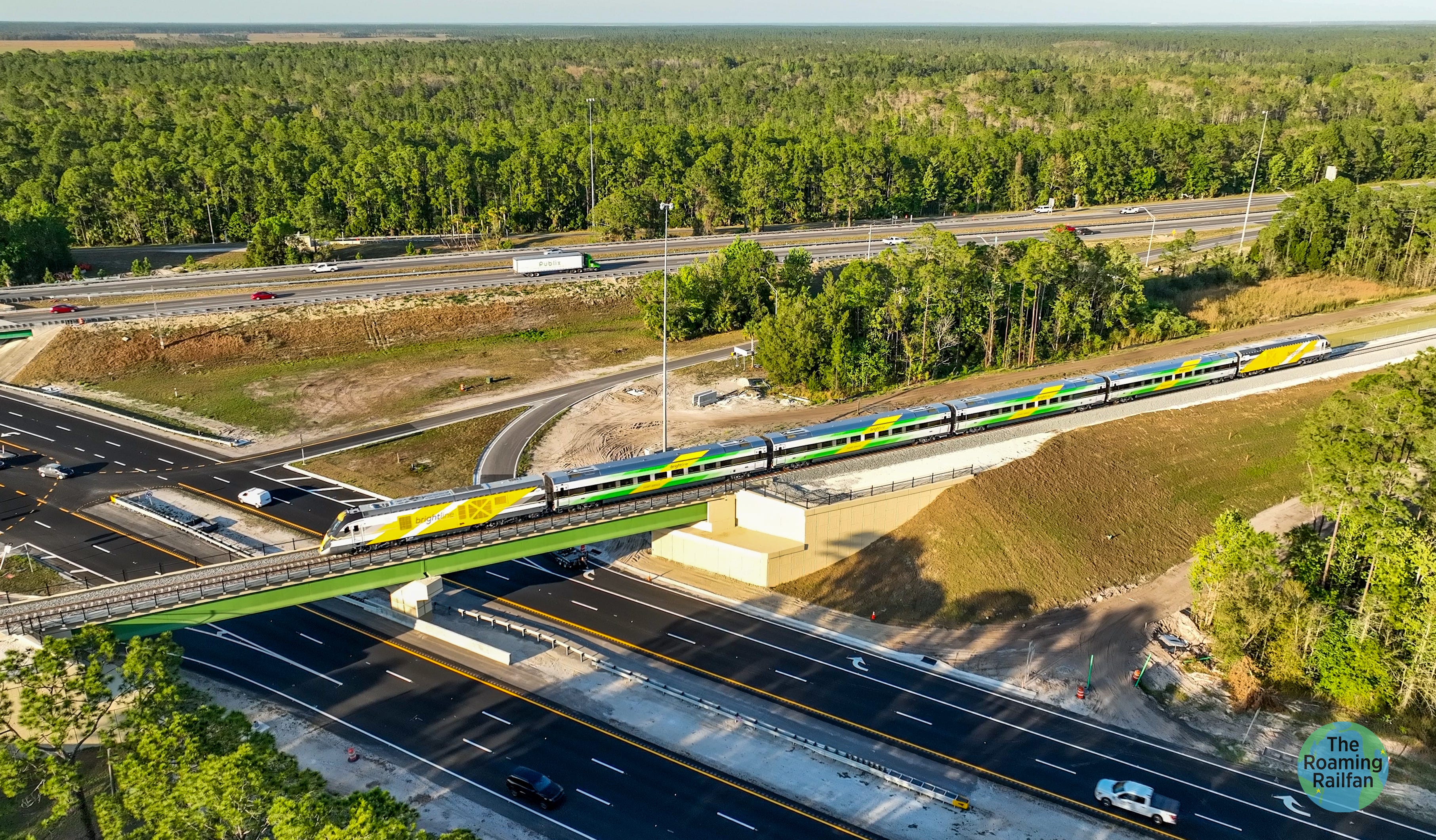
Americans have historically accepted the destruction that cars bring with them. Over 90% of households have access to a car. And it’s a lot easier to justify something that you own and rely on. Said University of Melbourne researcher John Cook on a recent episode of the Shocked podcast:
“We are particularly biased when the science or information threatens our beliefs or our identity, our social identity, our religious identity, even our political identity.”
Questioning the destruction of cars would threaten our social identity. So anything new, anything different — especially when different is also constantly associated with violent death — is met with skepticism.
Of course, this is nonsensical. Cars are not only responsible for thousands of deaths every year in Florida; they’re also major contributors to pollution and climate change.
In the U.S., the transportation sector is the largest source of direct greenhouse gas emissions, and cars and trucks are the biggest culprits.
Meanwhile, electric Brightline trains have no localized air pollution, and by getting people out of cars, these trains can directly tackle climate change and make streets safer.
Our comfort with the status quo is a comfort with death and illness. And while the safety of Brightline trains can be improved, they are not responsible for the dangers that haunt American towns every day.
Media outlets, even progressive ones, focus on how Brightline transforms once-familiar environments, introduces new barriers, and forces residents to face “life-and-death situations.” But they ignore the fact that car-centric infrastructure has done this for a century.
This reflects an inner and uncomfortable truth about ourselves: that we rather accept carnage than work toward something better.
By pointing fingers and accepting any death in transportation, we ignore real solutions — notably, that with the right laws and infrastructure, we can end deaths by car or by train altogether.
Until we grasp that, trains will not be a viable solution to climate change but instead an afterthought in our transportation equation: at best, a neglected stepchild and, at worst, a killer lurking beyond the bend.
"Our comfort with the status quo is a comfort with death and illness." - so true bestie